
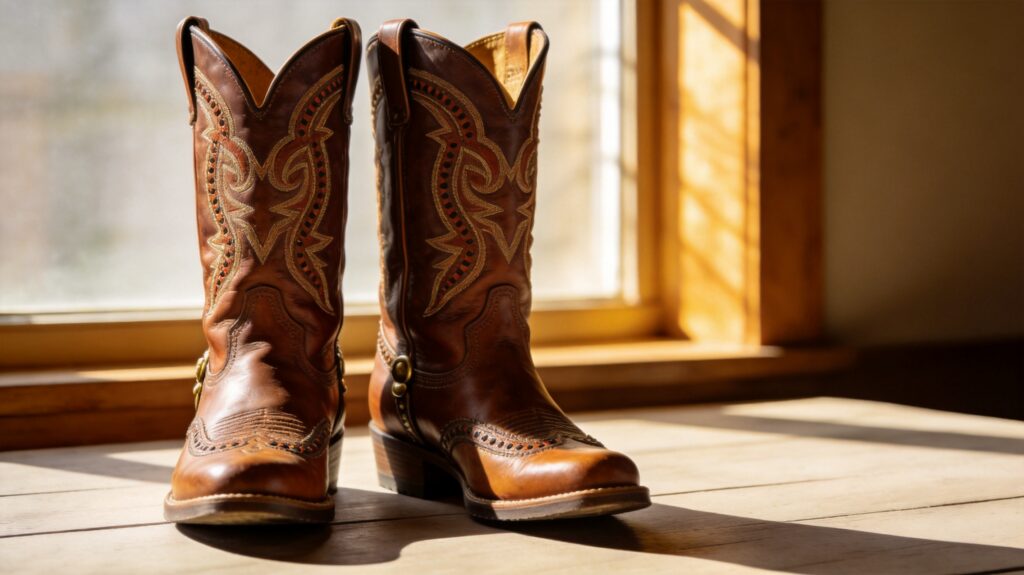
Classic Cowgirl Boots for OEM Orders: B2B Buyer Guide
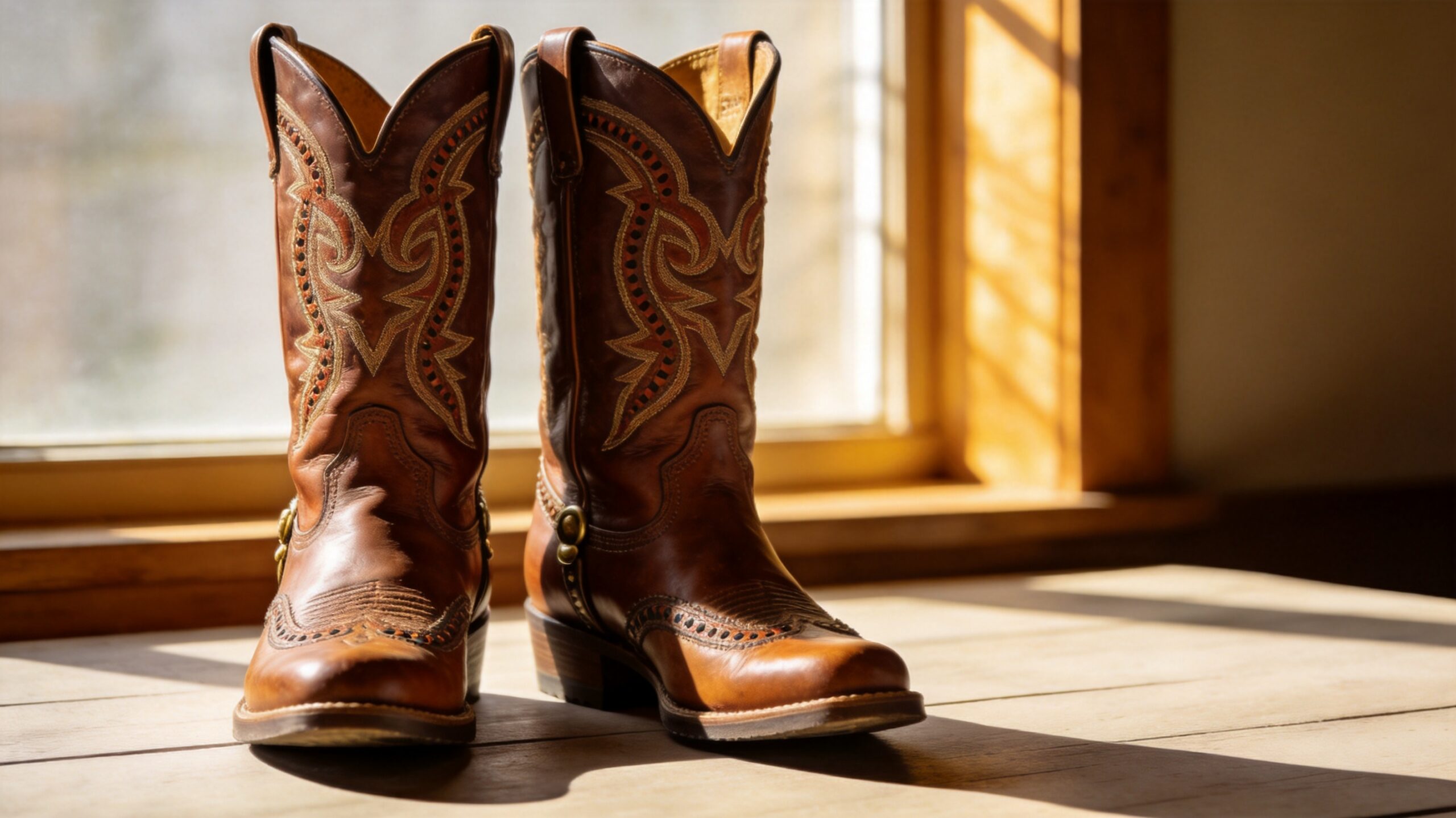
Why Classic Cowgirl Boots Still Matter in OEM Women’s Leather Boots
The Western aesthetic has proven remarkably resilient in the fashion industry. Unlike trend-driven footwear categories that experience rapid boom-and-bust cycles, cowgirl boots classic design maintains a steady, loyal consumer base across generations. From ranch workers to urban fashionistas, the demand for authentic Western footwear continues to grow, with market analysts projecting sustained growth in the women’s Western boot segment through the next decade.
For B2B buyers, this enduring popularity translates into predictable inventory turnover and reduced markdown risk. Classic designs do not become obsolete overnight, allowing retailers to carry deeper inventory positions without the fear of being stuck with outdated stock. This stability makes women’s leather boots custom order programs particularly attractive for wholesalers, boutique owners, and e-commerce platforms seeking reliable category performance.
While the market for cowgirl boots is robust, it is also highly competitive. Importers and distributors face intense pressure from both established heritage brands and low-cost manufacturers. In this environment, a well-executed classic design becomes a powerful differentiator. Buyers who commission custom production with attention to authentic detailing—correct stitching patterns, proper leather selection, and accurate silhouette proportions—can position their products as premium offerings without the heritage brand price tag. For inspiration on how leading manufacturers execute this, you can review our vintage-style embroidered Western cowboy boots collection, which demonstrates the level of detailing achievable in OEM production.
Classic design also provides a versatile foundation for brand storytelling. Whether your target customer is a rodeo competitor or a city-dwelling fashion enthusiast, a timeless silhouette communicates quality and authenticity that trend-forward designs often lack.
Defining Classic Design in Cowgirl Boots for Custom Manufacturing
When specifying cowgirl boots classic design for OEM production, three silhouette elements define the overall aesthetic. The toe shape is perhaps the most recognizable feature: traditional options include the pointed narrow toe, the rounded snip toe, and the broad square toe. Each communicates a different sub-aesthetic—pointed toes lean toward traditional Western styling, while square toes appeal to contemporary ranch functionality.
Heel height ranges from the practical 1.5-inch walking heel to the dramatic 3-inch riding heel. Classic designs typically feature the Cuban or underslung heel profile, which provides both visual authenticity and functional stability. The shaft profile—whether it rises to mid-calf or approaches the knee—affects both the visual impact and the fit requirements. Taller shafts require more precise calf measurements and are often paired with elastic gussets for ease of entry.
Classic cowgirl boots are defined by their decorative elements, but the level of ornamentation varies significantly. Traditional designs feature intricate leather tooling, floral or geometric patterns, and contrasting color panels. These embellishments require skilled artisans and significantly increase production time and cost.
Modern minimalism, by contrast, strips the design to clean lines, subtle stitching details, and monochromatic or two-tone color schemes. This approach appeals to fashion-forward consumers who want the Western silhouette without the heavy ornamentation. When planning your women’s leather boots custom order, consider offering both options to capture different customer segments within the same product line.
The material choice fundamentally impacts both the aesthetic and the price point of classic cowgirl boots. Full-grain leather remains the gold standard for durability and develops a beautiful patina over time. Top-grain leather offers a more affordable alternative with slightly less durability. Suede provides a softer, more fashion-oriented look but requires careful maintenance.
For premium positioning, exotic leathers such as ostrich, snake, and lizard add distinctive texture and visual interest. These materials command higher retail prices and appeal to customers seeking luxury Western footwear. However, they also require specialized manufacturing expertise and longer lead times, so factor these considerations into your sourcing strategy.
Technical Specifications for OEM Women’s Leather Boots Custom Orders
Women’s footwear sizing presents unique challenges in boot manufacturing. Unlike standard shoes, boots must accommodate the calf circumference, instep height, and ankle flexibility. A well-designed last—the three-dimensional form around which the boot is constructed—is essential for consistent sizing across your product range. For a deeper understanding of fit considerations, our beginner’s guide to choosing tall boots for women covers key measurement points that apply to custom boot programs.
When commissioning women’s leather boots custom order production, request samples across the full size range, not just a single middle size. This ensures that the grading process maintains proper proportions in both length and width. Additionally, consider offering half sizes and multiple width options to reduce return rates and improve customer satisfaction.
The construction method determines the boot’s durability, repairability, and production cost. Goodyear welt construction involves stitching the upper to a leather strip (the welt), which is then stitched to the outsole. This method produces the most durable and repairable boots but requires specialized machinery and skilled labor.
Cement construction bonds the upper directly to the outsole with adhesive. This method is faster and less expensive but offers limited repairability. Blake stitch construction stitches the upper directly to the outsole through the insole, providing a flexible and lightweight boot that is moderately repairable.
For classic cowgirl boots positioned as premium products, Goodyear welt construction is strongly recommended. The investment in higher manufacturing costs is justified by superior durability and the ability to resole the boots, extending their usable life and enhancing brand reputation.
The small details make a significant difference in customer satisfaction and product longevity. Specify corrosion-resistant hardware for buckles, snaps, and decorative conchos. Brass and stainless steel options offer the best balance of durability and aesthetic appeal.
Stitching must meet minimum thread density standards, typically 7-9 stitches per inch for visible seams. Use polyester or nylon thread for structural seams, as cotton thread degrades over time. Decorative stitching can use contrasting thread colors, but ensure the thread quality matches structural standards to prevent premature fraying.
Use Cases and Target Segments for Classic Cowgirl Boots
Understanding your distribution channels helps refine your product specifications. Western lifestyle retailers—tack shops, ranch supply stores, and Western wear chains—prioritize durability, functionality, and authentic styling. Their customers expect boots that withstand daily wear in agricultural and equestrian environments.
Fashion-first boutiques, by contrast, serve customers who wear cowgirl boots as statement pieces in urban settings. These consumers prioritize aesthetics, comfort for extended walking, and versatility in outfit pairing. They may prefer lighter construction and more contemporary color palettes. Tailoring your women’s leather boots custom order program to specific retail channels improves sell-through rates and reduces returns.
Seasonal demand spikes are a defining characteristic of the cowgirl boot market. Major rodeo events, country music festivals, and Western-themed celebrations create predictable surges in demand. Planning your production calendar around these events ensures inventory availability during peak selling periods.
Beyond event-driven spikes, there is steady year-round demand for cowgirl boots as casual footwear. Many consumers wear them as everyday boots, pairing them with jeans, dresses, and even work attire. This dual-use nature—event-specific and everyday wear—makes classic designs particularly valuable for inventory planning.
Your OEM partnership can take two primary forms. Private label programs involve manufacturing boots exclusively for your brand, with custom branding, packaging, and design elements. This approach requires higher minimum order quantities but provides complete control over brand presentation and customer experience.
White label programs use existing manufacturer designs with minimal customization, typically limited to branding elements. This approach offers faster turnaround and lower minimums but limits your ability to differentiate from other brands using the same manufacturer. Many successful importers start with white label programs and transition to private label as sales volumes justify the investment.
Comparing Classic Design Options for Your Custom Order
The spectrum between traditional and contemporary design offers distinct positioning opportunities. Traditional Western boots feature pronounced toe shapes, higher heels, extensive tooling, and rich earth-tone color palettes. They appeal to customers with deep roots in Western culture or those seeking authentic heritage styling.
Contemporary cowgirl boots maintain the recognizable silhouette but incorporate modern design elements—sleeker toe profiles, lower block heels, unexpected color combinations, and minimalist detailing. These designs attract fashion-conscious consumers who want the Western aesthetic without the historical baggage. Offering both design directions within your product line maximizes market coverage. Our women’s leather boots collection showcases how contemporary interpretations of classic Western styling can be executed for different market segments.
Shaft height significantly affects both aesthetics and functionality. Low-top boots (8-10 inches) offer easier entry and a more casual look, suitable for warmer weather and urban wear. Mid-calf boots (11-13 inches) provide the classic cowgirl boot appearance and are the most popular configuration for general use.
Tall shaft boots (14 inches and above) make a dramatic fashion statement and provide additional leg support, but they require precise calf measurements and may not fit all body types. When offering multiple shaft heights, ensure your sizing guides clearly communicate measurement requirements to reduce fit-related returns.
Color blocking refers to the arrangement of different colored leather panels on the boot shaft and vamp. Classic combinations include brown/tan, black/white, and red/tan, but contemporary options include pastels, jewel tones, and metallic accents. The vamp (the front panel) and the shaft can feature contrasting colors, creating visual interest.
Tooling involves carving decorative patterns into the leather surface, creating a raised relief effect. This is a traditional Western art form that requires skilled artisans. Inlay patterns involve cutting leather pieces and inserting them into the base leather, creating multi-colored designs. Both techniques add significant production time and cost but substantially increase perceived value.
Sourcing and Quality Control for OEM Leather Boots Production
Not all footwear manufacturers possess the specialized skills required for authentic cowgirl boots classic design. When evaluating potential partners, request examples of previous Western boot production and specifically examine the quality of tooling, stitching, and leather preparation. Ask about their artisan workforce—are tooling and inlay work performed by experienced craftspeople or automated processes?
Visit the factory if possible, or request video documentation of the production process. Verify that the manufacturer has experience with the specific construction method you require (Goodyear welt, Blake stitch, etc.) and that their equipment is properly maintained. A manufacturer who primarily produces athletic shoes may not have the expertise to execute classic Western detailing to a high standard. You can explore our product range to see the breadth of Western footwear manufacturing capabilities we offer.
Classic cowgirl boots with significant handwork require longer production timelines than standard footwear. Expect lead times of 60-120 days from sample approval to bulk delivery, depending on order complexity and factory capacity. Factor these timelines into your inventory planning to avoid stockouts during peak demand periods.
Minimum order quantities (MOQs) vary significantly between manufacturers. Some factories accept orders as small as 100 pairs per style/color combination, while others require 500-1,000 pairs. Higher MOQs typically result in better unit pricing, but they also increase inventory risk. Negotiate MOQs that align with your sales projections and cash flow capabilities.
The sampling process is critical to successful outcomes. Budget for at least two rounds of samples: an initial fit sample to verify sizing and comfort, and a production sample to confirm final materials, colors, and detailing. Some manufacturers charge for samples, while others credit sample costs against bulk orders. Clarify these terms before committing.
Implement a comprehensive quality assurance program with defined checkpoints throughout production. At the leather inspection stage, verify that hides meet your grading specifications for thickness, grain consistency, and defect rates. During stitching, monitor thread tension, stitch density, and pattern alignment.
At the sole attachment stage, verify that the construction method is executed correctly—Goodyear welted boots should show clean, even welting with no gaps or adhesive residue. Final inspection should include a visual examination of every pair, checking for color consistency, hardware alignment, and overall workmanship. Consider third-party inspection services for overseas production to ensure objective quality assessment.
Implementation Roadmap: From Design Brief to Bulk Delivery
A comprehensive technical specification package (tech pack) is the foundation of successful OEM production. Include detailed drawings or CAD renderings showing all angles of the boot, exact measurements for every component, material specifications with acceptable alternatives, color codes (PMS or custom references), and stitching specifications.
Document all construction details—lining materials, insole construction, outsole composition, heel stack configuration, and hardware specifications. Include packaging requirements, labeling instructions, and any compliance certifications needed for your target markets. A thorough tech pack minimizes misinterpretation and reduces the need for multiple sampling rounds.
The prototype stage is where design intent meets manufacturing reality. Review the initial sample for both aesthetic accuracy and functional fit. Conduct fit testing with multiple individuals representing different foot shapes and sizes to identify potential issues with heel slippage, instep pressure, or calf fit.
Document all fit test results and provide specific feedback to the manufacturer. If adjustments are needed, request revised samples before approving production. Rushing this stage to meet deadlines often results in costly corrections later. Remember that a well-fitted boot reduces returns and builds customer loyalty, making this investment worthwhile.
Retail packaging for classic cowgirl boots should reflect the premium positioning of the product. Consider individual boot bags, sturdy boxes with brand printing, and protective inserts to maintain boot shape during shipping. Include care instructions and a quality guarantee card to enhance the unboxing experience.
Ensure all labeling meets regulatory requirements for your target markets, including country of origin, material composition, and care labeling. If selling in the European Union, verify compliance with REACH regulations for chemical safety. For U.S. retail, ensure compliance with FTC labeling requirements for leather products. Your manufacturer should provide documentation supporting these compliance requirements.
Frequently Asked Questions on Custom Cowgirl Boots Orders
What is the typical MOQ for OEM women’s leather boots?
Minimum order quantities for women’s leather boots custom order programs typically range from 200 to 500 pairs per style and color combination. Some manufacturers offer lower MOQs for basic designs, while complex designs with significant handwork may require higher minimums to justify production setup costs. Discuss MOQ flexibility with your manufacturer, particularly if you are launching a new product line or testing market response.
Can classic designs be customized with branded hardware?
Yes, most manufacturers can incorporate branded hardware into classic cowgirl boot designs. This includes custom buckles, conchos, snaps, and decorative studs featuring your logo or brand mark. Custom hardware requires an initial tooling investment for mold creation, typically ranging from $500 to $2,000 per design, but this cost is amortized across your order volume. Branded hardware significantly enhances brand recognition and perceived product value.
How do I ensure consistent quality across large batches?
Consistent quality across large production batches requires a combination of thorough specification documentation, clear communication with the manufacturer, and systematic quality control. Provide detailed tech packs, approve production samples before bulk manufacturing begins, and implement in-line and final inspections. Consider hiring third-party quality inspection services to conduct random sampling during production. Maintain open communication with the factory and address any quality issues immediately to prevent them from recurring in subsequent batches.
The cowgirl boots classic design segment offers substantial opportunities for B2B buyers who approach OEM production with careful planning and attention to detail. By understanding the design elements that define classic Western aesthetics, specifying technical requirements precisely, and implementing robust quality control processes, you can build a successful private label program that captures customer loyalty and drives sustainable revenue growth. The investment in proper product development, sampling, and quality assurance pays dividends through reduced returns, enhanced brand reputation, and repeat orders from satisfied customers. For more insights on Western footwear trends and manufacturing capabilities, consult this industry reference and this technical reference on materials and construction standards.